Mumbai's Iconic Landmarks You Must Visit
Mumbai's Iconic Landmarks You Must Visit
Mumbai, India’s financial capital, is a city of contrasts. From its colonial heritage to modern skyscrapers, bustling streets to tranquil coastal retreats, the city offers a vibrant mix of experiences. Among the chaos and clamor, there are iconic landmarks that define Mumbai's identity and tell its rich story. Whether you’re a first-time visitor or a seasoned traveler, here’s a guide to the must-visit landmarks that showcase Mumbai’s heritage, beauty, and energy.
1. Gateway of India
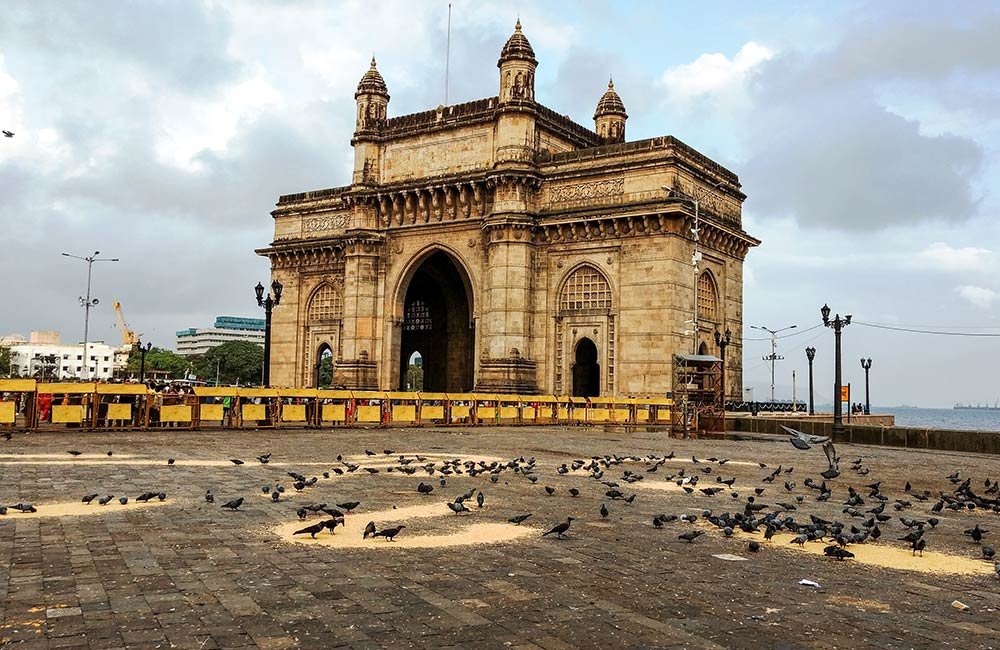
The Gateway of India is perhaps the most famous landmark in Mumbai. Located at the waterfront in Colaba, it stands as a majestic symbol of the city’s colonial past. Built in 1924 to commemorate the visit of King George V and Queen Mary to India, the Gateway is an impressive structure with Indo-Saracenic architecture. Its yellow basalt stone, grand arches, and intricate carvings make it a must-see for anyone visiting Mumbai. The Gateway also holds historical significance as it was the site from which the last British troops left India in 1948, marking the end of British rule. You can take a boat ride from here to visit nearby Elephanta Island, home to the ancient Elephanta Caves.
2. Marine Drive
Known as the "Queen’s Necklace" for its sparkling streetlights that resemble a necklace when viewed at night, Marine Drive is Mumbai’s iconic waterfront promenade. Stretching along the Arabian Sea, it’s a popular spot for locals and tourists to take a leisurely walk, enjoy the cool sea breeze, or simply watch the sunset. Marine Drive offers panoramic views of the city’s skyline, including landmarks like the Art Deco buildings and the iconic Chhatrapati Shivaji Maharaj Vastu Sangrahalaya (formerly the Prince of Wales Museum). It is also a favorite hangout for those who wish to relax and watch the hustle of the city from a distance.
3. Chhatrapati Shivaji Maharaj Terminus (CST)
A UNESCO World Heritage Site, the Chhatrapati Shivaji Maharaj Terminus (formerly Victoria Terminus) is one of the most beautiful railway stations in India. Built in 1887 in the Victorian Gothic Revival style, the station’s architectural beauty is a fusion of traditional Indian elements and Victorian design. The station’s imposing dome, intricate carvings, and the clock tower are a testament to Mumbai's colonial history. CST remains a major railway hub and is a symbol of the city’s vitality. Don’t forget to stop and admire the ornate interiors and facades, which are especially striking when lit up in the evening.
4. Elephanta Caves
A short ferry ride from the Gateway of India, Elephanta Island is home to the Elephanta Caves, a network of ancient rock-cut caves and temples dedicated to the Hindu god Shiva. The caves date back to the 5th to 8th centuries and are known for their intricate sculptures, particularly the massive Trimurti sculpture, which depicts the three forms of Shiva. The caves offer a glimpse into India’s rich religious history and provide an escape from the city’s hustle and bustle, as they are set amidst lush greenery and offer beautiful views of the Mumbai skyline.
5. Siddhivinayak Temple
One of the most visited temples in Mumbai, the Siddhivinayak Temple in Prabhadevi is dedicated to Lord Ganesha, the Hindu god of prosperity and wisdom. The temple, built in 1801, is famous for its golden dome and the idol of Lord Ganesha, which is believed to have miraculous powers. The temple attracts thousands of devotees every day, and it’s especially crowded on Tuesdays, when people come to offer prayers for success, prosperity, and good health. A visit to this temple is not only a spiritual experience but also an insight into the deep religious fervor that defines Mumbai.
6. Haji Ali Dargah
Located on a small islet in the Arabian Sea, Haji Ali Dargah is a mosque and the tomb of the Muslim saint Haji Ali, who is believed to have lived in the 15th century. Accessible via a causeway that stretches into the sea, the dargah is an architectural wonder and a significant pilgrimage site for Muslims. The mosque’s white marble structure and the surrounding ocean create a serene atmosphere, making it one of the most peaceful spots in the city. The view of the dargah at sunset, with the sun setting over the sea, is truly mesmerizing.